
Start by teaching the tool what “your style” means in concrete terms, then request outfits with clear constraints you actually live with (weather, dress code, comfort needs, and what’s already in your closet). The more specific your inputs, the more consistently the suggestions will feel like you.
Pick 3–5 style adjectives (like “minimal,” “romantic,” “sporty,” “edgy,” “classic”), then add specifics: preferred silhouettes (wide-leg pants, fitted tees), typical color palette, and go-to fabrics. Include what you avoid (scratchy knits, low-rise jeans, bright neons) so recommendations don’t drift.
Request outfits for a situation, not just a vibe: the occasion, season, temperature range, and how long you’ll wear it. Mention practical needs such as “comfortable shoes for 10,000 steps,” “office-appropriate,” or “layers for strong A/C.”
List 8–15 items you already own that you want to use, including colors. If you’re shopping, set boundaries like budget, preferred stores, and sizing notes. You can also ask for “two versions: one using only my closet, one with up to three new pieces.”
Request 3–7 outfits and require a short explanation for each: why the pieces work together, how to accessorize, and one swap to dress it up or down. If something feels off, revise with targeted feedback (“make it less preppy,” “add more structure,” “keep the colors warmer”).
Combine: (your style) + (occasion/weather) + (constraints) + (closet items) + (output format). For more examples and a step-by-step walkthrough, visit the main guide here.
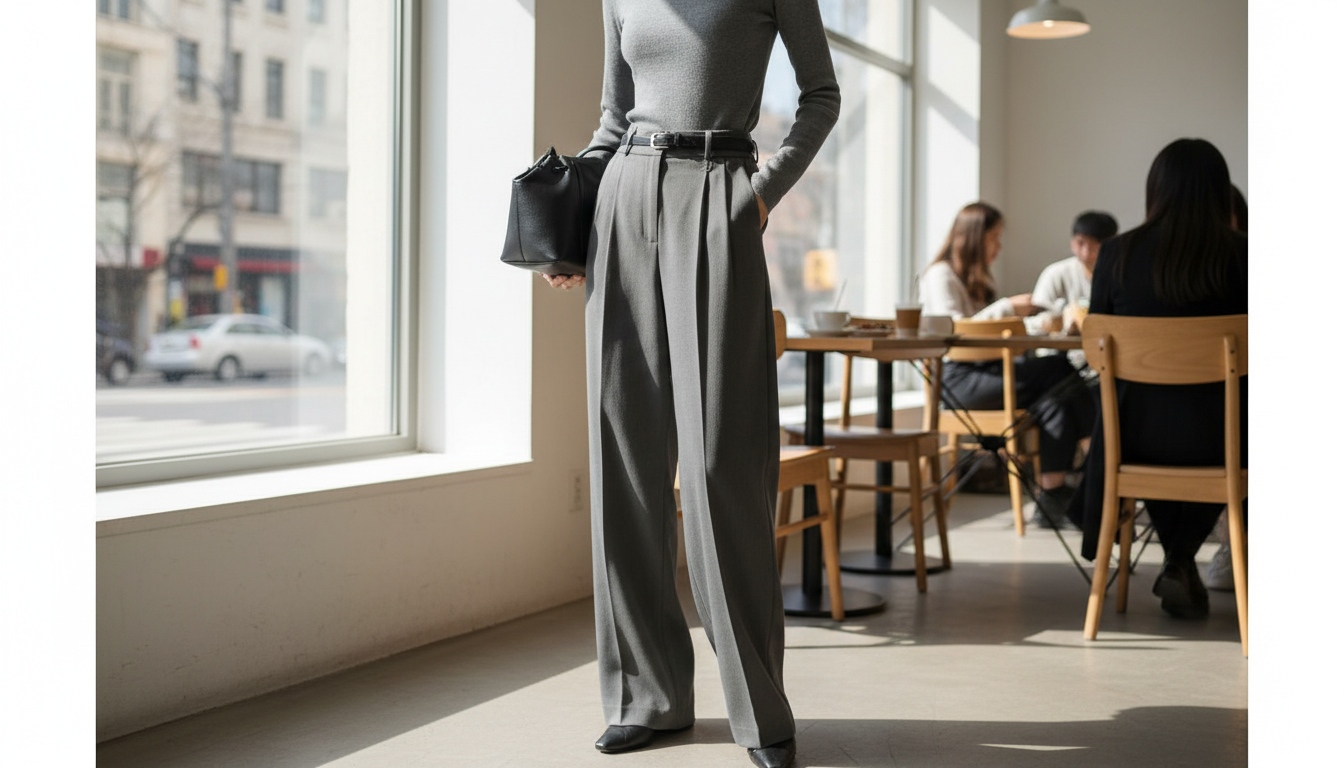
Ask for outfits that focus on clean lines, a tighter color palette, and structured layers, plus finishing touches like polished shoes, a matching belt, and simple jewelry. Request “fit checks” (hemming, tucking, cuffing) and fabric-forward pairings like denim with knits or crisp cotton with tailored pieces.










Leave a comment